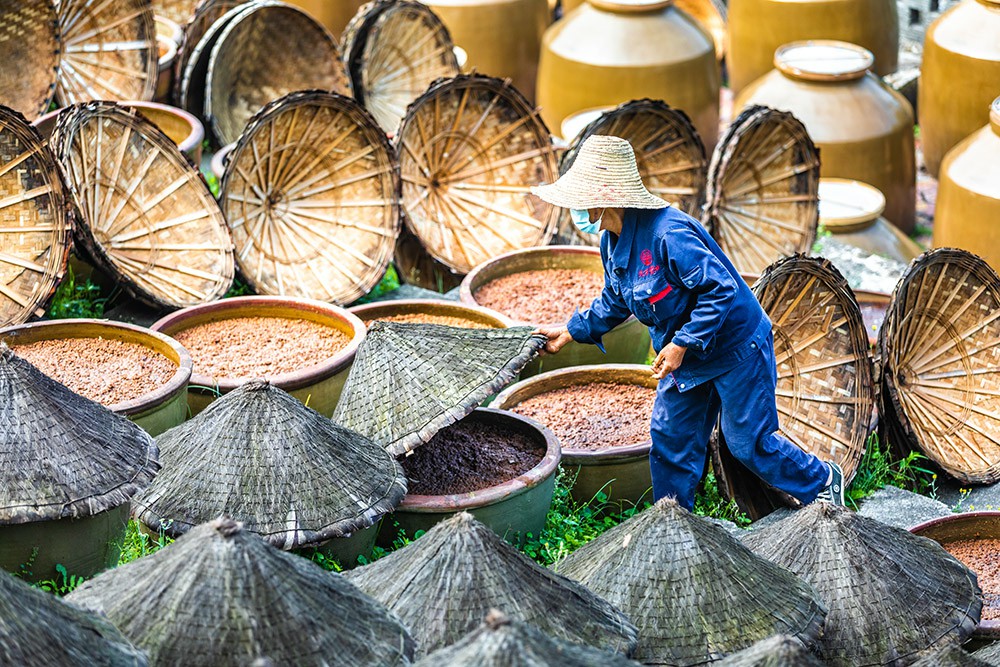
Fermented Soy Bean
Overview
Fermented soybeans are a popular ingredient in Asian cuisine, particularly in Chinese, Korean, and Japanese dishes. Known for their distinct flavor, fermented soybeans are used both as a paste and in whole form. The fermentation process enhances the nutritional profile of soybeans, making them an excellent source of protein, vitamins, and probiotics. Their rich umami taste adds depth to various recipes, often acting as a key seasoning or base for sauces.
Types of Fermented Soy Bean Products
There are several types of fermented soy products. Among them, soy sauce, miso, and natto are widely recognized. Soy sauce, a liquid condiment, is a byproduct of fermented soybeans and is used globally in cooking for its savory flavor. Miso, a staple in Japanese cuisine, is a paste made from fermented soybeans, rice, and barley. Natto is known for its strong smell and sticky texture, a popular dish in Japan often eaten with rice.
Cultural Significance
Fermented soybeans hold cultural significance across various Asian cultures. In China, fermented soybeans have been used for centuries, a tradition rooted in ancient culinary practices. The Chinese Compendium of Materia Medica even records them for their health benefits. In Japan, traditional breakfasts often include natto, while miso soup is a daily staple. In Korea, fermented soybean pastes like doenjang play a crucial role in traditional meals.
Historical Background
The history of fermented soybeans dates back thousands of years. In China, they have been a part of the diet since the Han Dynasty (206BC-220), with records describing soybeans being used in various fermented forms. The process of fermentation was discovered as a means to preserve soybeans and enhance their nutritional value, a practice that spread to neighboring cultures and evolved over time into different regional variations.
Nutritional Profile
Fermented soybeans are a powerhouse of nutrients. They are a complete protein source, containing all essential amino acids required by the human body. The fermentation process also enhances the bioavailability of isoflavones, compounds found in soy that have antioxidant properties. Additionally, fermented soybeans are low in fat and high in fiber, making them an ideal addition to a balanced diet.
Preparation and Cooking Techniques
Preparing fermented soybeans requires patience and precision. The beans are first soaked and cooked, then mixed with a fermenting agent, usually a type of mold or yeast. The mixture is left to ferment for several days or weeks, depending on the desired flavor and texture.
When cooking with fermented soybeans, chefs often balance their strong flavor with ingredients like garlic, ginger, and scallions. They can be sautéed, stewed, or used as a seasoning in both vegetarian and meat-based dishes. Proper storage involves keeping them in a cool, dry place or refrigerating to prolong shelf life and maintain flavor.
Overall, fermented soybeans are a versatile ingredient that enriches the culinary landscape with their complex flavors and health benefits. They continue to be an essential component of Asian cuisines and are gaining recognition in global culinary scenes. Article reference1. Stuffed pumpkin with garlic and fermented soy bean. chinadaily.com.cn. 2024Photo Gallery(3 pictures)CategoriesLifestyleTagFood CultureLocal CultureCatalogue1. Overview2. Cultural Significance3. Nutritional Profile4. Preparation and Cooking Techniques- - - []








